"He just can't focus." "She can't sit still for five minutes." "He does the first two steps of any instruction and then stops listening." If you've said any of these things about your child, you've probably also been given a list of suggestions: fidget toys, screen-time limits, more outdoor time, less sugar. Some help. Most don't produce lasting change.
Martial arts — specifically traditional martial arts with a structured curriculum — works differently. Not as a cure, but as a training environment that gradually develops the actual neural capacities for focus and self-regulation.
Why Martial Arts Develops Focus — The Actual Mechanism
Focus is not a character trait — it's a skill that can be trained. Here's the specific mechanism at work in a well-structured martial arts class:
Multi-step instruction following
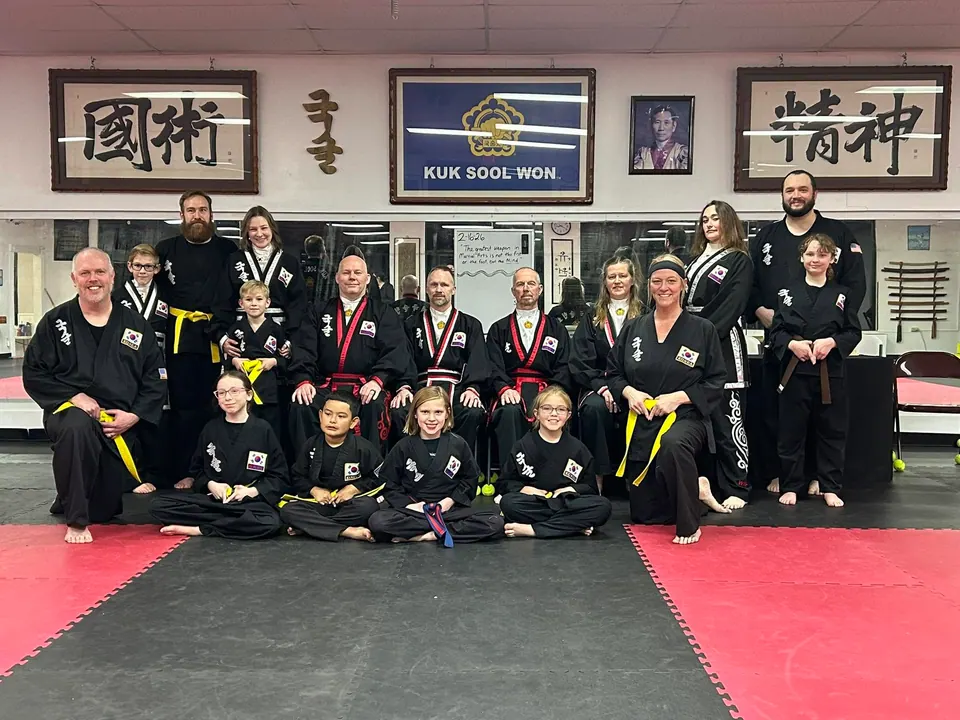
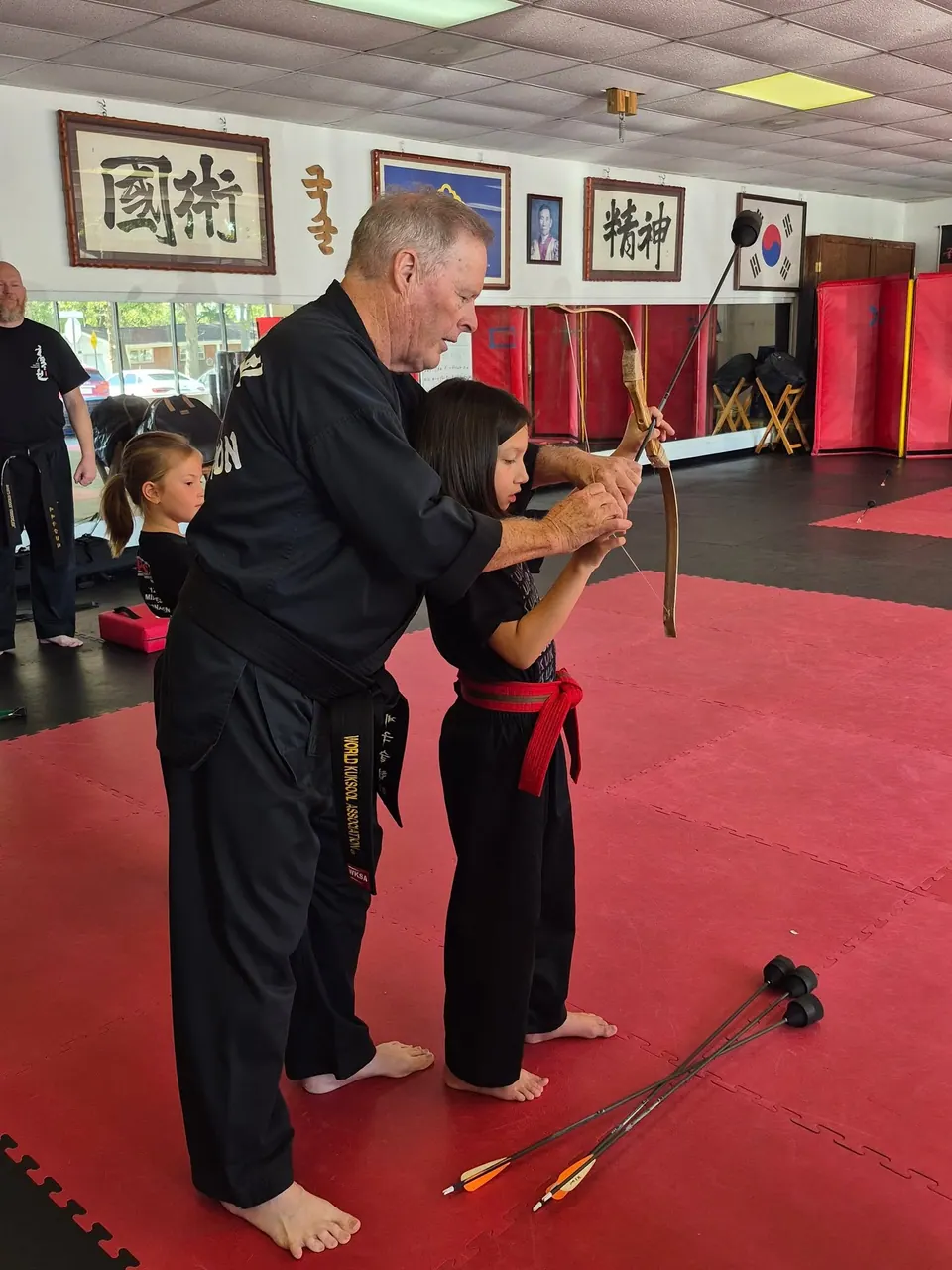
In a typical Kuk Sool Won class, students receive sequences of 3, 4, and eventually 5+ step instructions that they must execute in order. "Step forward, chamber your hand, extend the strike, pull back, return to ready position." The child who can only follow 2-step instructions when they start will, over months of practice, be executing complex sequences automatically.
This isn't because we told them to pay attention — it's because the reward structure (doing the technique correctly) only comes from actually following all the steps. Failure to focus produces visible, immediate, non-punitive feedback.
Pattern memorization (hyungs)
Hyungs (forms or patterns) are sequences of techniques performed in a specific order. Memorizing them requires sustained attention over weeks and months. The child who "can't remember anything" will, within their first few months, have memorized a complete kata sequence — because it matters to them and because the learning is physical, not purely verbal.
Synchronized group practice
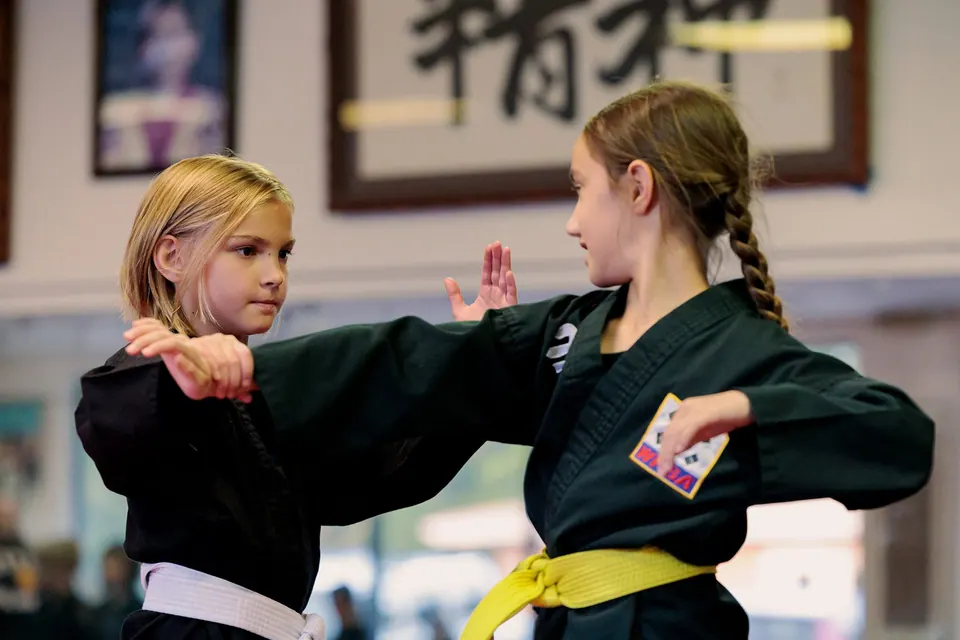
Performing techniques in synchrony with a group requires attending to external cues (the instructor's count, the sound of others moving) while executing internal movements. This dual attentional demand is a genuine focus workout — and it's one that many children with attention challenges find surprisingly accessible because the feedback is immediate and multi-sensory.
The ADHD Question
We're often asked specifically about children with ADHD diagnoses. Our honest answer: martial arts is one of the most consistently beneficial non-medication interventions we've observed, but it works alongside professional treatment, not instead of it.
The research supports this. A 2012 study in the Journal of Attention Disorders found that children with ADHD who engaged in martial arts showed significant improvements in attention, executive function, and self-regulation compared to control groups. The proposed mechanism: the combination of physical movement, rule-based structure, and clear feedback addresses the specific neurological challenges of ADHD in ways that sedentary activities cannot.
Parents of ADHD children at KSW STL consistently describe what they call "the teacher effect" — an unsolicited comment from a school teacher asking what changed. Usually this happens somewhere in months 2–4 of consistent training.
Discipline vs. Punishment
Traditional martial arts teaches self-discipline — the internally motivated, intrinsically rewarded kind — not obedience through punishment. The distinction matters enormously for children's development.
When a child chooses to run the technique one more time, not because they were told to but because they want to get it right, that's self-discipline. When they choose to sit quietly during instruction because they understand that's how they learn, not because they fear consequences — that's self-discipline.
This internal locus of control is what transfers to school performance, homework habits, and family relationships. It's not the same as compliance, and it produces fundamentally different long-term outcomes.

This guide is written by instructors who have taught thousands of children and families in St. Peters, MO since 1995. We believe in sharing honest, experienced-based guidance — not marketing copy.