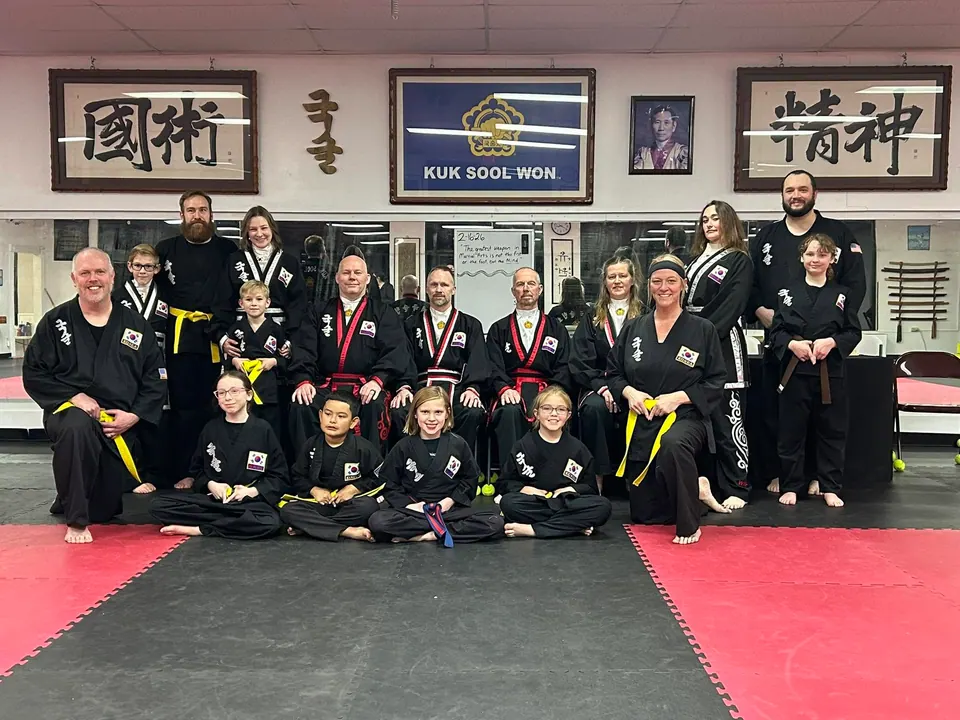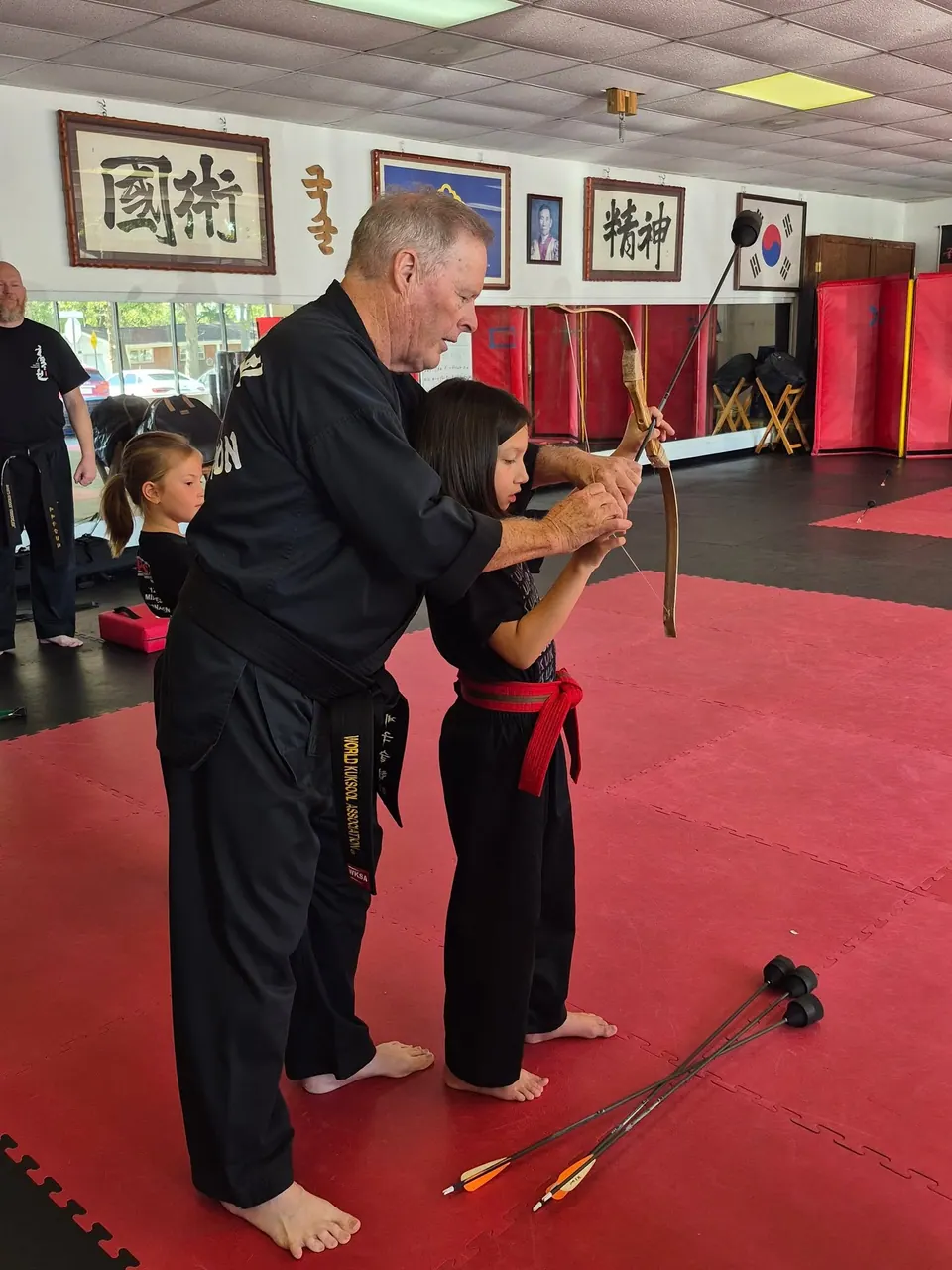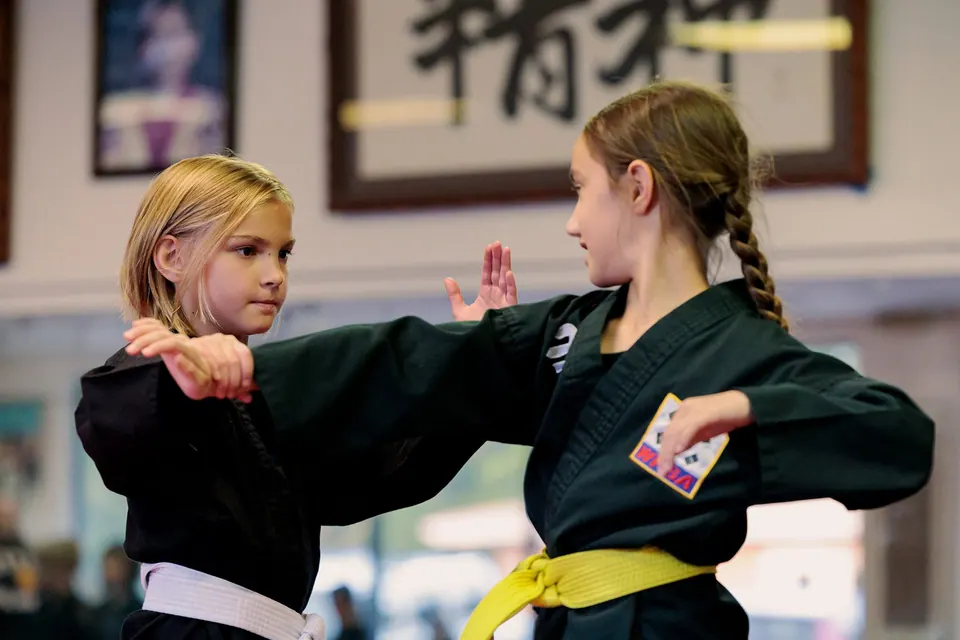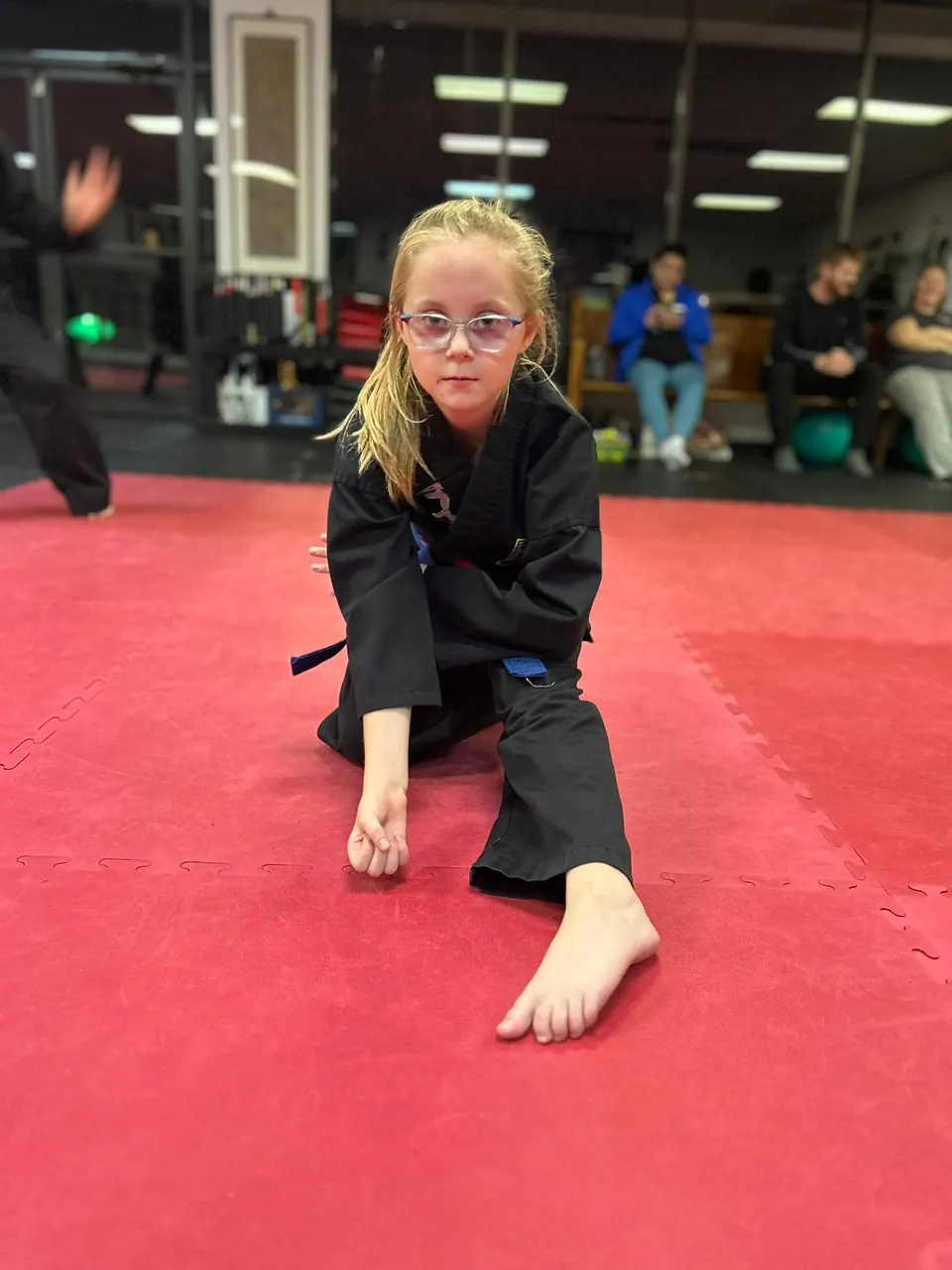
A child with ADHD walks into their first martial arts class, and the first thing they notice is that there are no chairs. The class moves. The instruction is demonstrated, not just explained. The feedback is immediate and physical. For many children with ADHD, this environment feels — for the first time in a long time — like somewhere they can actually succeed.
Why the ADHD Brain Often Thrives in Martial Arts
ADHD (Attention Deficit Hyperactivity Disorder) involves genuine neurological differences in the dopamine and norepinephrine systems — the systems responsible for attention, motivation, and executive function. Standard classroom environments, with their emphasis on sedentary attention, are particularly poorly matched to these neurological profiles.
Traditional martial arts environments are, almost accidentally, well-matched to ADHD:
- High physical engagement — the movement itself produces the dopamine release that improves executive function
- Clear, immediate feedback — did you do the technique correctly or not? No ambiguity, no waiting
- Novel, varied challenges — different techniques, different combinations, progression through belt levels maintains engagement
- Structured environment — clear rules, predictable routines, reduced decision fatigue
- Individual progress — measured against yourself, not compared to others
The Research
A 2012 study published in the Journal of Attention Disorders found significant improvements in attention, executive function, and behavioral control in children with ADHD who participated in martial arts training versus control groups. The proposed mechanism: the combination of aerobic activity, rule-based structure, and focus-requiring tasks addresses ADHD at multiple neurological levels simultaneously.
Dr. John Ratey, Harvard psychiatrist and author of "Spark: The Revolutionary New Science of Exercise and the Brain," identifies martial arts specifically as one of the most effective physical activities for ADHD, due to its combination of aerobic demand, coordination requirements, and rule-based structure.
The Korean Drumming Advantage for ADHD
Our Korean drumming program produces results in ADHD children that consistently surprise parents. The mechanism: rhythmic auditory feedback is one of the most effective channels for attentional engagement in ADHD brains. The drumming requires sustained attention AND provides immediate, salient feedback when attention lapses — the beat goes wrong. This feedback loop is distinctly different from most academic tasks.
Many parents report that the drumming produces faster attention improvement than the martial arts training alone — and the two together produce synergistic effects.
Practical Advice for ADHD Families
We recommend:
- Discussing martial arts with your child's treatment provider — most are supportive
- Starting with 2x/week classes rather than 3x to allow adjustment time
- Communicating openly with our instructors about your child's specific profile — we adapt our instruction accordingly
- Being patient through the first 4–6 weeks — the regulation-building takes time to compound
We've taught children with every variety of ADHD presentation over 31 years. We know how to adapt without making it a special accommodation — it's just good instruction for every child.

This guide is written by instructors who have taught thousands of children and families in St. Peters, MO since 1995. We believe in sharing honest, experienced-based guidance — not marketing copy.