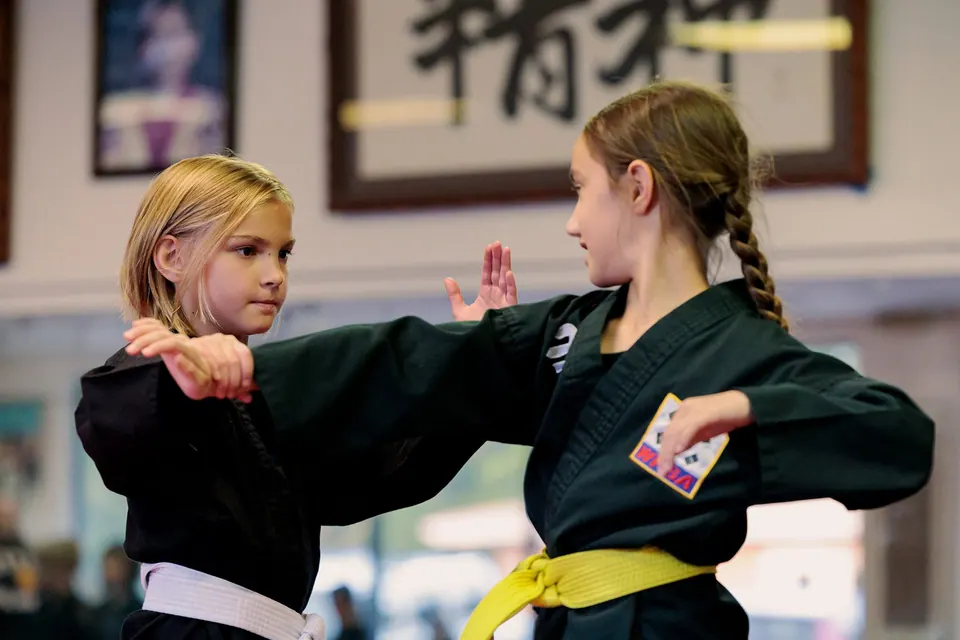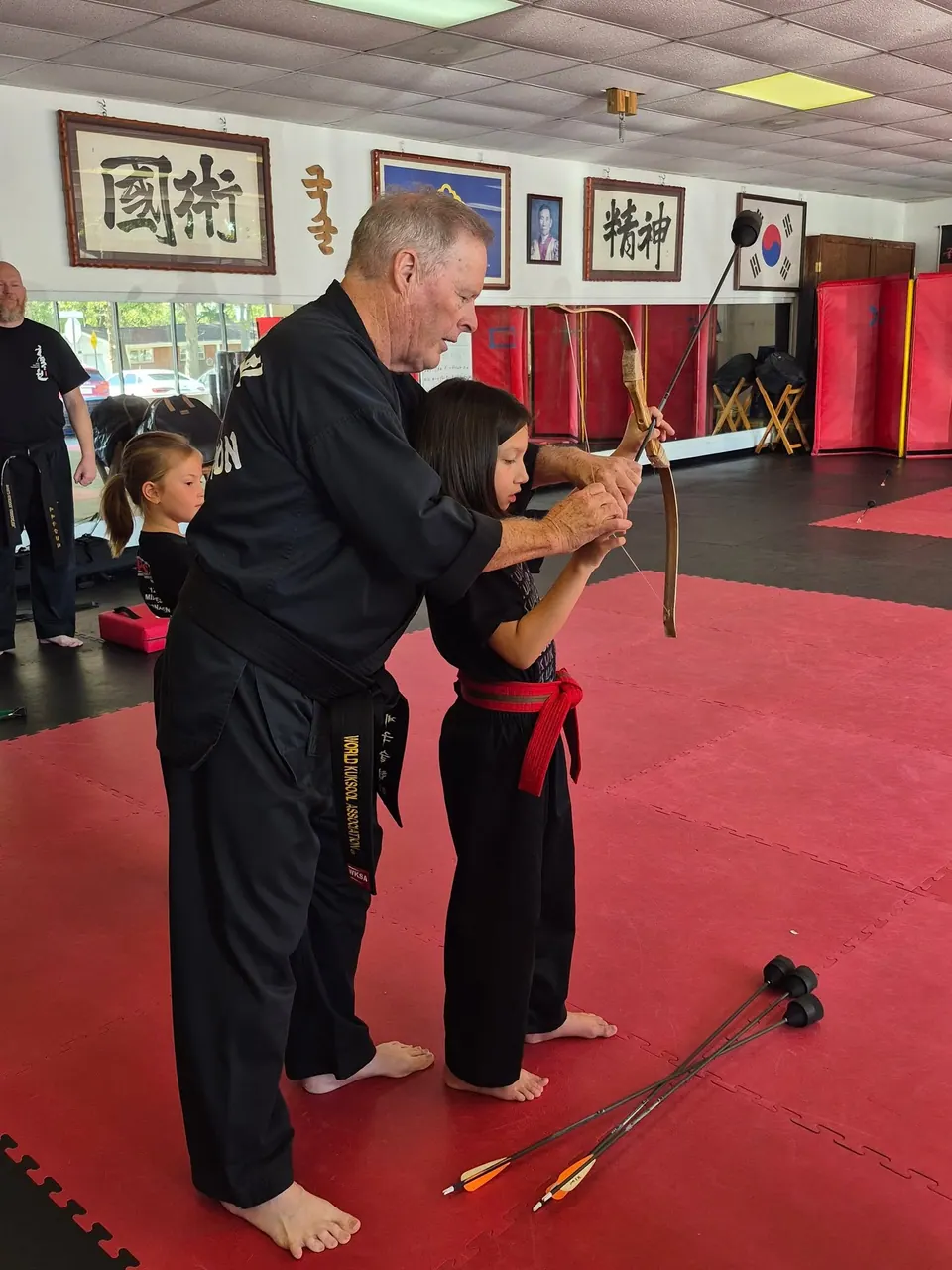
If you've described your child as shy, hesitant, or "just not a joiner," you've probably also wondered whether a structured, group activity like martial arts would actually work for them — or whether it would be one more experience that ends in frustration and a wasted enrollment fee.
Here's what 31 years of teaching have shown us: shy children are often the ones who thrive most in our program. Not because we push them past their comfort zone — but because our structure eliminates the very thing that makes most social environments hard for introverted children.
Why Shy Children Struggle in Most Group Activities
Most group activities for children involve ambiguous social demands: you need to figure out where to stand, who to talk to, when it's your turn, what the rules are for interaction. For shy children, this ambiguity is exhausting and anxiety-producing.
Sports often involve: picking teams (who gets chosen when?), navigating peer dynamics mid-play, managing public failure in front of teammates, and needing to advocate for yourself in fluid situations. For the shy child, the social cognitive load of these activities often overwhelms the physical activity itself.
How Traditional Martial Arts Is Different
In a well-run traditional martial arts class:
- The social rules are explicit and clear. There's a right way to bow, a right place to stand, a right way to address the instructor. This removes the ambiguity that exhausts introverts.
- Progress is individual, not comparative. Your child isn't competing against anyone else for a spot or for recognition. They're measured only against their own previous performance.
- The instructor has a defined role. Your child always knows who to look to for guidance. There's no navigating peer group dynamics for information.
- Participation is physical, not primarily verbal. Shy children often have an easier time engaging with tasks that don't require constant verbal communication or performance.
What KSW STL Instructors Do Differently with Shy Students
Our approach with hesitant children has been refined over three decades:
We don't call them out. We don't single them out for demonstration. We don't make their shyness a topic of conversation in class. We simply invite participation and create the conditions where participation feels safe.
The technique: stand near a hesitant child during group practice so they feel accompanied. Offer brief, private acknowledgment of effort ("Good kick — better than last week"). Create small wins early, and let the child build their own narrative about their capability.
The Korean Drumming Bridge
An unexpected finding over our 31 years: the drumming program is often where shy children break through fastest. Something about the rhythmic, physical, non-verbal nature of drumming seems to bypass the social hesitancy. A child who won't raise their hand in class will, three months later, perform a drumming demonstration in front of the whole dojo — and beam with pride.
Realistic Timeline for Shy Children
For genuinely shy children, we ask families to commit to at least 6–8 weeks before making any judgment about fit. Here's what we typically observe:
- Weeks 1–2: The child participates minimally. Observes a lot. Stays near the edge of the group. This is normal and not cause for concern.
- Weeks 3–5: The child starts to relax. Begins engaging with specific instructors they've built rapport with. Still cautious with peers.
- Weeks 6–10: The first breakthrough moments. The child demonstrates a technique correctly, receives specific acknowledgment, and the confidence cycle begins.
- Months 3–6: Often unrecognizable from the child who first walked in. Parents frequently report that teachers at school have noticed a change.

This guide is written by instructors who have taught thousands of children and families in St. Peters, MO since 1995. We believe in sharing honest, experienced-based guidance — not marketing copy.