There's a confidence that comes from being told you're great, and there's a confidence that comes from doing something genuinely hard and succeeding at it. One lasts until the next difficult thing appears. The other becomes the foundation for how a child approaches everything.
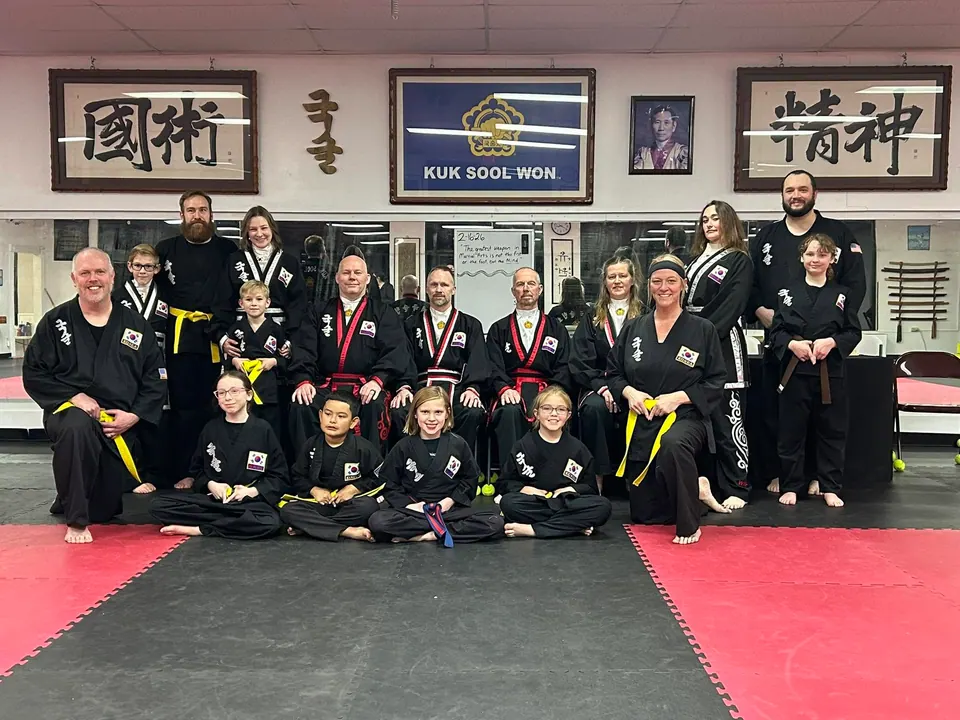
After 31 years of teaching children in St. Peters, this is the most consistent transformation we observe: children who arrive hesitant, unsure of themselves, deferential to peers — and leave, months later, moving through the world with a fundamentally different bearing.
The Difference Between Praise-Based and Competence-Based Confidence
Modern parenting culture has over-indexed on praise. "Good job!" "You're so talented!" "I'm so proud of you!" These statements aren't wrong — they're just insufficient, and often counterproductive when not paired with real achievement.
Research in developmental psychology (particularly Carol Dweck's work on growth mindset) consistently shows that praise focused on ability ("you're so smart") creates fragile confidence that shatters when difficulty appears. Praise focused on effort and achievement creates resilience.
Martial arts, done correctly, creates the latter. Here's how.
The Competence Cascade: How Confidence Actually Develops in Martial Arts
Stage 1: A child attempts something they cannot yet do
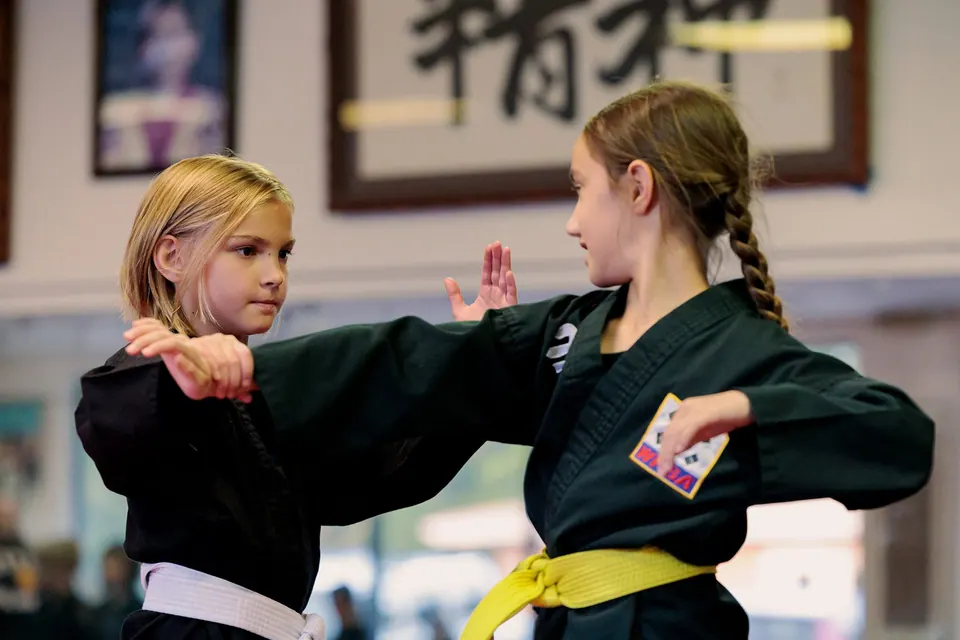
Every technique in Kuk Sool Won is, at first, impossible-seeming. The first time a 6-year-old attempts a proper front kick or a joint lock pattern, they can't do it. The instructor demonstrates, they attempt, they fail, they try again. This is intentional.
Stage 2: With repetition, they get it
The moment a child's kick lands correctly for the first time — or a pattern that felt impossible suddenly flows — is genuinely memorable. You can see it on their face. This is not someone telling them they're good. This is them knowing it from evidence.
Stage 3: They internalize "I can do hard things"
This is the transfer that parents notice outside the dojo. When a child encounters a difficult math problem, a social conflict, or a physical challenge, the inner voice that says "I've done hard things before" is the product of accumulated real achievements — not accumulated praise.
The Belt System as a Confidence Architecture
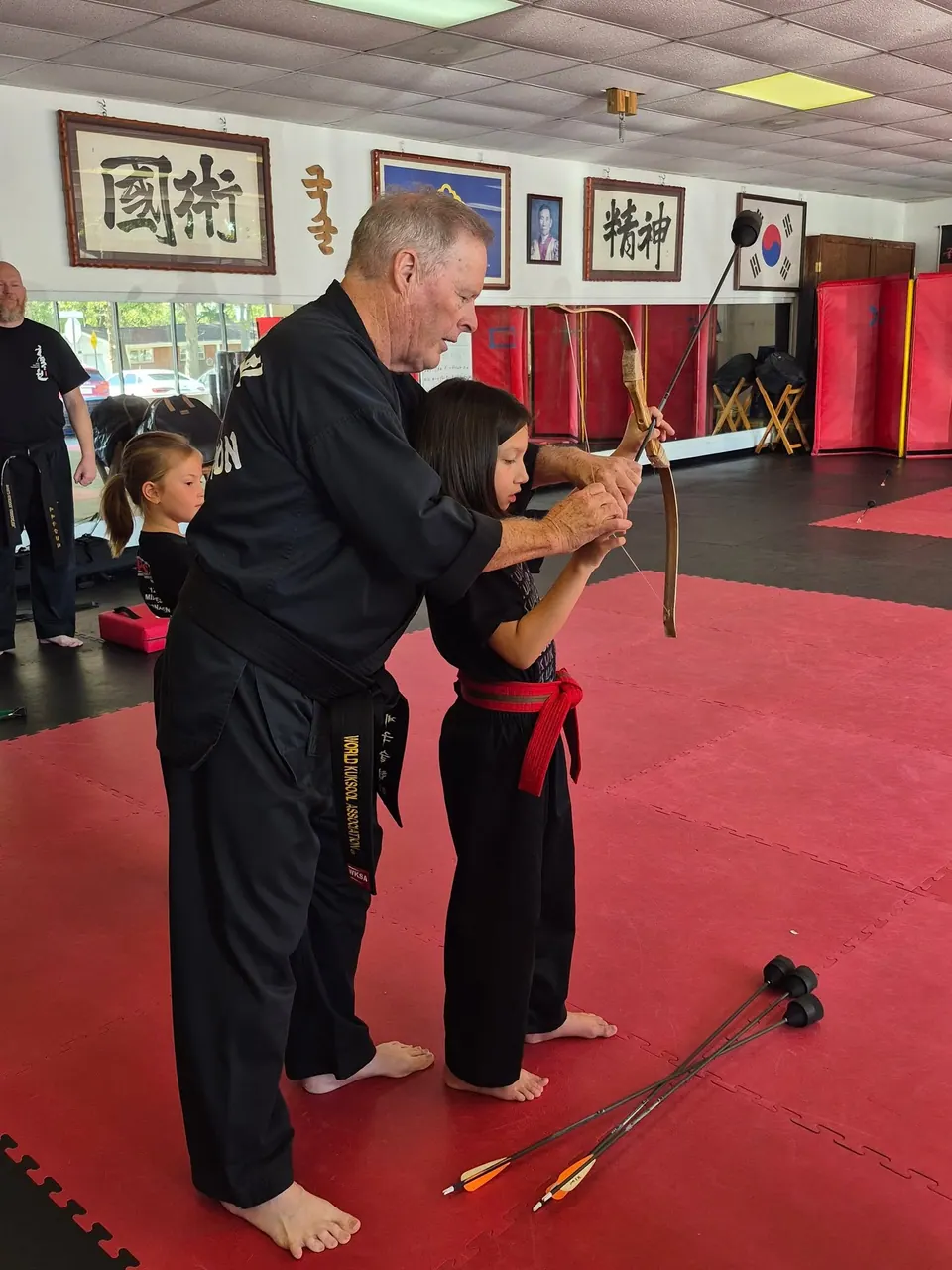
The belt progression in Kuk Sool Won is not a participation award system. Every advancement requires demonstrated skill. Students test, they sometimes fail, they retest. Over time, each belt becomes evidence of genuine competence — a physical, tangible record of what they've earned.
The child who wears a yellow belt earned it. The child who wears a green belt earned it. By the time they approach black belt, they've accumulated years of evidence that they can do hard things, persist through difficulty, and achieve meaningful goals.
Korean Drumming: An Unexpected Confidence Multiplier
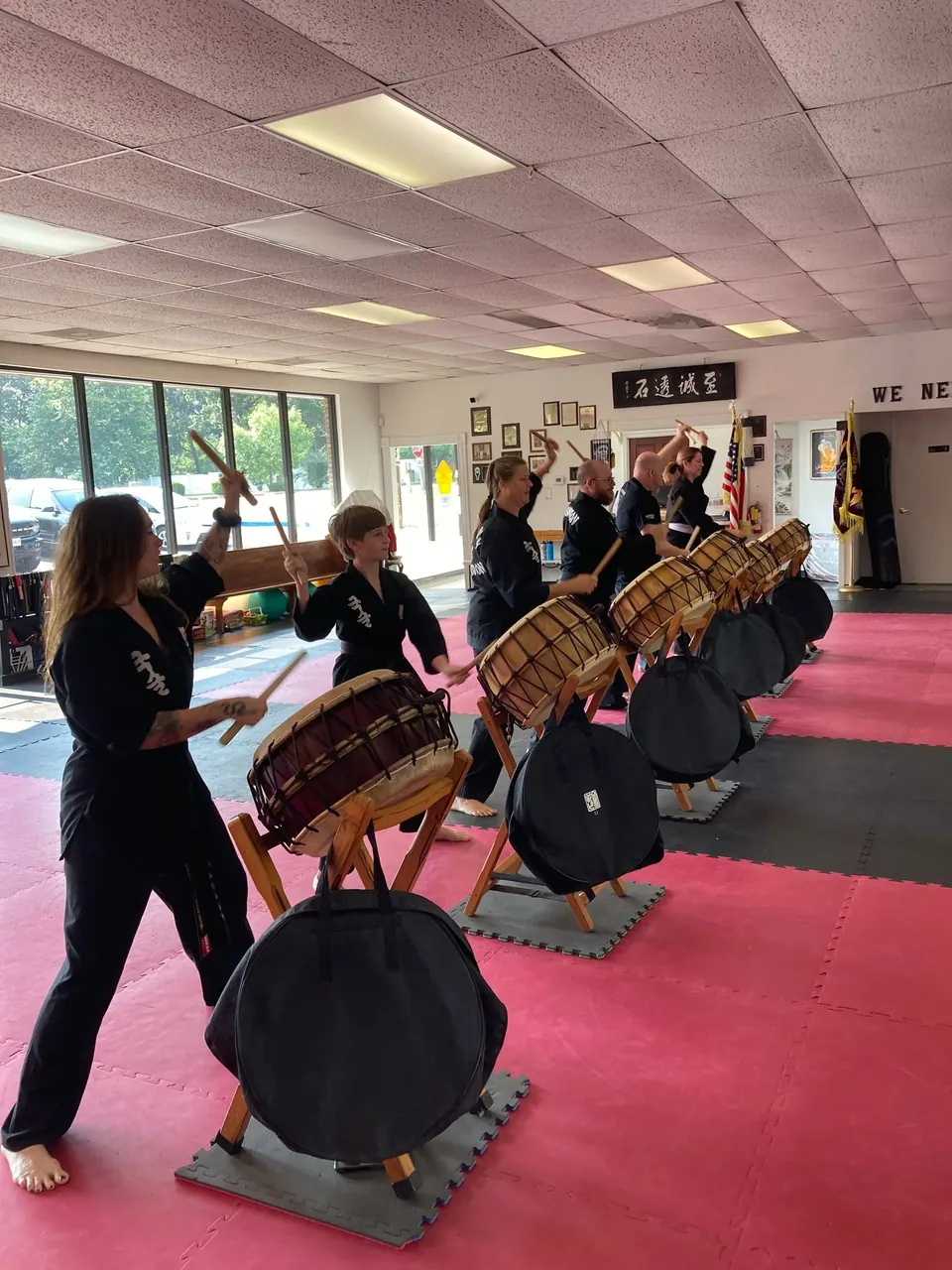
We're the only school in St. Peters that integrates traditional Korean Samulnori drumming into our curriculum — and the confidence outcomes from the drumming program are striking.
Learning to play traditional Korean drums requires focus, timing, physical coordination, and the willingness to look "not good yet" in front of peers. When a child masters a drumming pattern — when they're playing in sync, when the rhythm locks in — the transformation is visible. There's a performance aspect to drumming that martial arts alone doesn't always provide.
Children who struggle to raise their hand in class will perform a drumming demonstration with visible pride.
What Parents Actually Notice — and When
Based on 31 years of parent conversations, here's a realistic timeline:
- Weeks 1–4: Excitement and novelty. The child is eager to come to class. Not much change at home yet.
- Months 1–3: Parents start noticing "they seem more focused" or "they've been less argumentative." Eye contact improves. The child starts using martial arts vocabulary at home.
- Months 3–6: The confidence shift becomes visible. Other adults comment. Teachers mention an improvement in classroom behavior or engagement. The child starts teaching siblings moves.
- 6+ months: The child begins to self-identify as a martial artist. It's part of who they are. This is when the lasting change takes root.
Who Benefits Most?
The children who show the most dramatic confidence transformations at KSW STL are often not the ones parents expect. It's rarely the already-confident, already-athletic child who sees the most profound change. It's the shy one. The one who didn't like to be called on in class. The one who avoided new situations. The one who, parents worried, might "never come out of their shell."
That child, six months into our program, is often leading warm-ups and demonstrating techniques for newer students.

This guide is written by instructors who have taught thousands of children and families in St. Peters, MO since 1995. We believe in sharing honest, experienced-based guidance — not marketing copy.