The single biggest barrier to enrollment is not cost, not schedule, and not distance. It's uncertainty. Parents — and children — don't know what to expect, and the unknown is more intimidating than any reality of what actually happens in a first class.
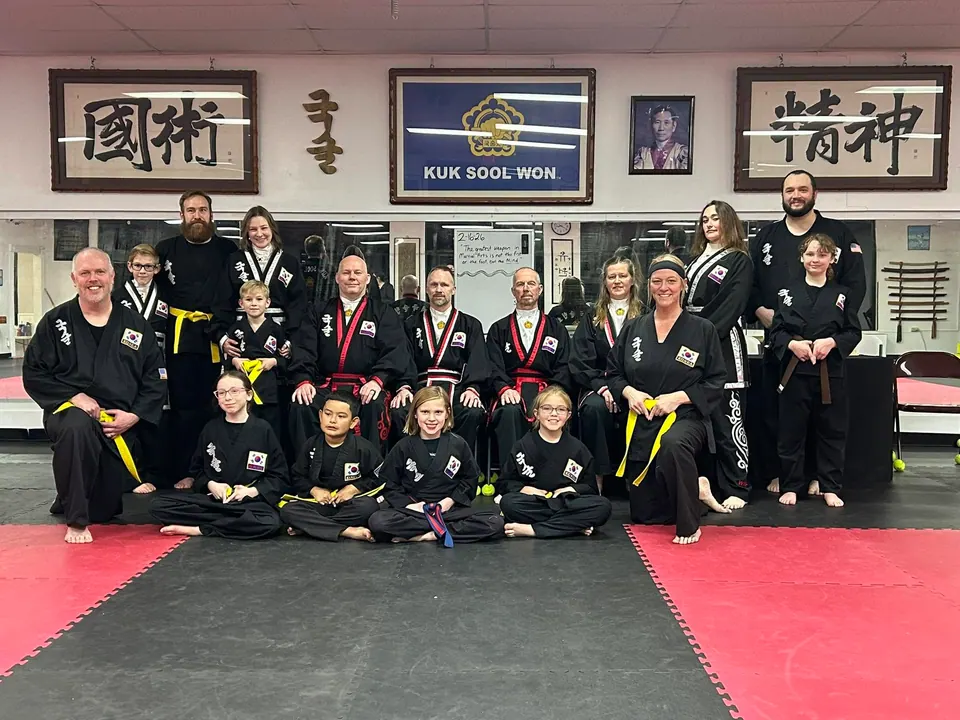
This is a complete, honest walkthrough of your first Kuk Sool Won class at KSW STL. No surprises.
Before You Arrive
What to wear
Comfortable athletic clothes. Shorts or sweatpants and a t-shirt are perfect. No special footwear — we train barefoot. If your child has athletic shoes with velcro, bring them as backup. A uniform (called a dobok) is only needed after official enrollment — not for the intro class.
What to bring
A water bottle. An open mind. That's genuinely it. Don't bring a bag full of gear — there's no gear needed. Don't prepare your child with a specific script — just tell them they're going to try something new and you'll be right there watching.
What to tell your child
Less is more here. Telling a child "you're going to LOVE it and become a black belt and make tons of friends" sets up specific expectations that may or may not be met. Saying "we're going to check out a martial arts class. I'll be right there watching. If you don't want to participate, that's okay too" removes pressure and gives them a sense of control.
When You Arrive
You'll be greeted by name — we know you're coming. We'll show you the viewing area first, which has comfortable seating and a clear sightline into the training floor. The dojo (training area) is always clean and well-lit.
Your child will meet an instructor before class begins. This is a brief, casual introduction — not a formal interview. The instructor's goal at this stage is simply for your child to feel safe and comfortable.
During the Class
Classes begin with a brief bowing-in ceremony. This is a sign of respect — both to the art and to the instructors and fellow students. It's not religious, it's not political, and it takes about 30 seconds.
Your child will participate at whatever level they're comfortable with. If they want to do everything, they'll be guided through everything. If they want to observe for the first five minutes, that's fine too. Instructors adapt to where the child actually is, not where they think they should be.
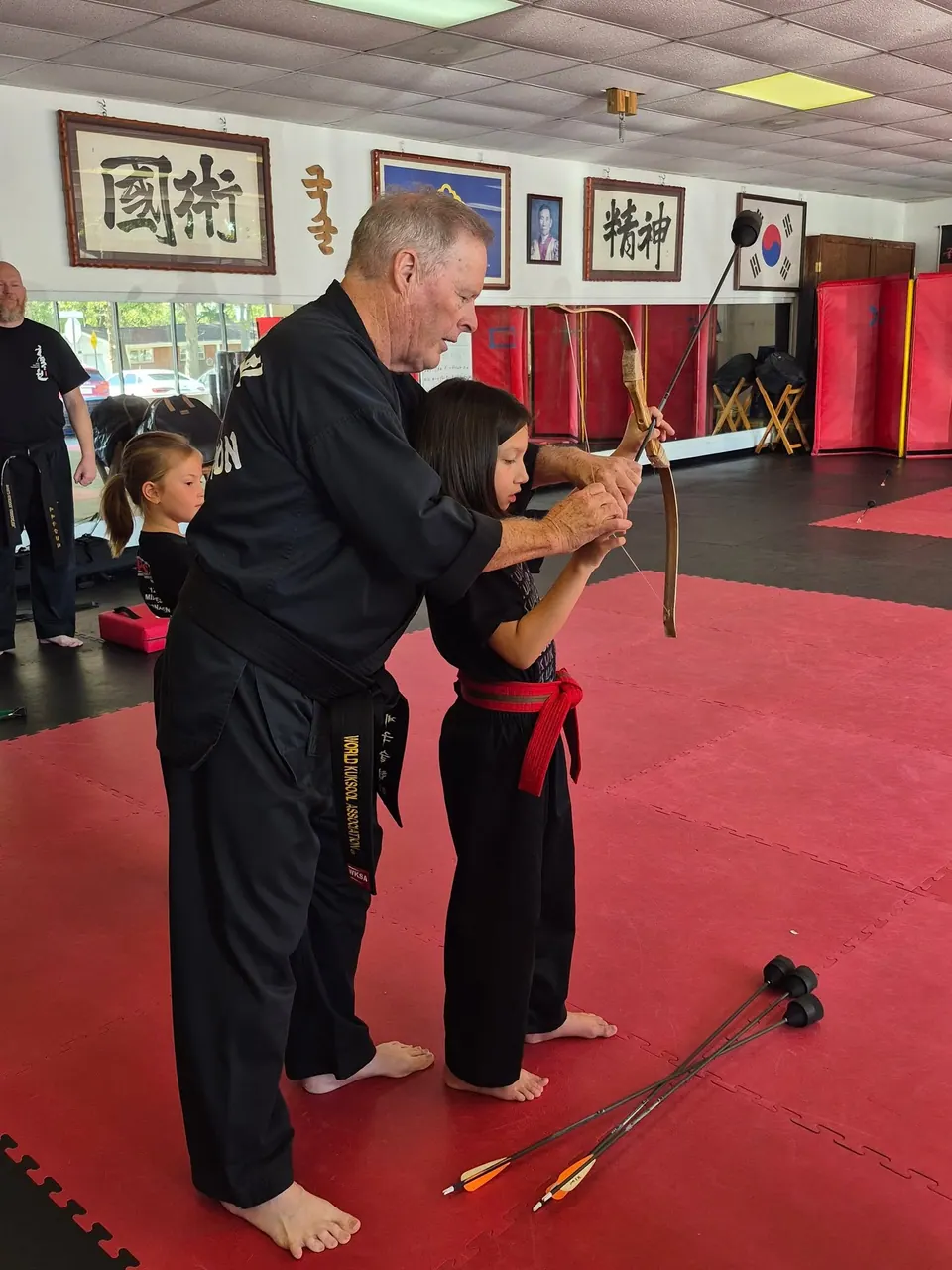
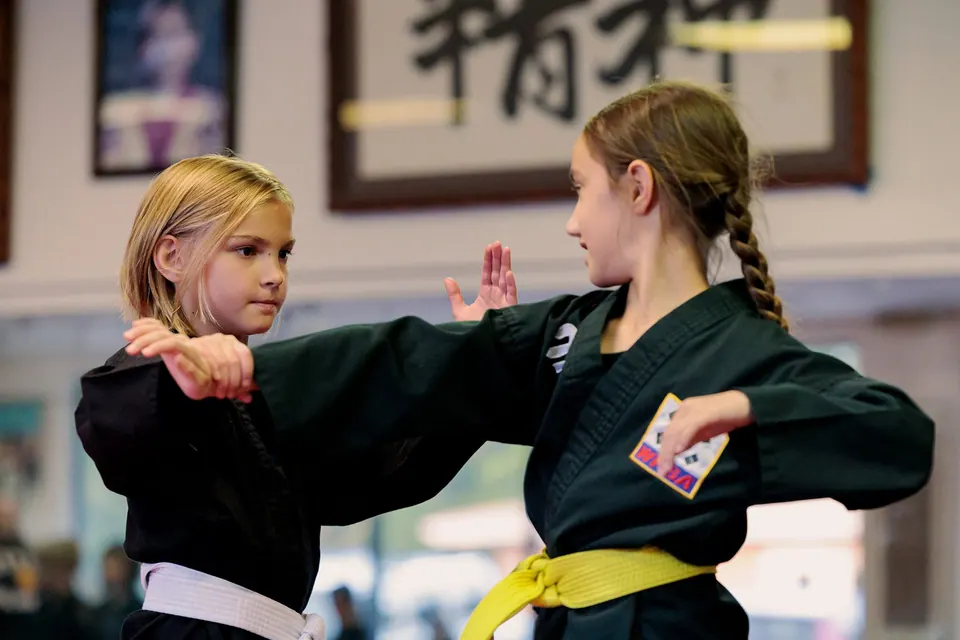
There is no sparring in a first class. In fact, there's no forced physical contact of any kind. Beginning students focus on basic techniques, patterns (called hyungs), and movement — all of which can be practiced entirely individually.
What Parents Tell Us After the First Class
The most common feedback: "I expected it to be more aggressive" or "I thought my child would be nervous but they loved it immediately." The second most common: "I wish we'd come sooner."
Some children take to it immediately and won't stop talking about it on the way home. Others need 2–3 classes to fully relax and engage. Both are completely normal.
After Class
An instructor will sit with your family — not to pitch you, but to share what they noticed about your child and which program they think would serve them best. This is a genuine conversation, not a sales script.
You'll also get a chance to ask any questions you didn't ask before: about the schedule, the curriculum, the cost, the other students. We're transparent about all of it.
What to Listen for on the Drive Home
Don't immediately ask "did you like it?" That puts pressure on the child to have formed a strong opinion immediately. Instead, try: "What was the weirdest part?" or "What did you think about the bowing thing?" Open-ended questions that invite them to process the experience on their own terms.
Pay attention to what they choose to talk about unprompted. That's usually the part that genuinely captured their attention.

This guide is written by instructors who have taught thousands of children and families in St. Peters, MO since 1995. We believe in sharing honest, experienced-based guidance — not marketing copy.