Every parent wants their child to be safe from bullying. But most anti-bullying conversations focus on either the wrong problem (teaching kids to fight) or an incomplete solution (telling kids to ignore it or tell an adult). Real bully-proofing is a comprehensive framework — and it starts with understanding why certain children are targeted in the first place.
Why Some Children Are Targeted (And It's Not Their Fault)
Children who are repeatedly bullied typically share a cluster of behavioral signals that bullies learn to read: avoiding eye contact, speaking softly when challenged, physically making themselves smaller, having a visible emotional reaction to provocation.
These are not personality defects — they're natural responses from children who haven't yet developed confident coping strategies. The goal of bully-proofing is not to change who a child is, but to give them tools that change how they present in vulnerable moments.
The Bully-Proof Framework: 4 Layers
Layer 1: Presence and Body Language
Bullies make split-second decisions about who to target based largely on non-verbal signals. A child who stands upright, makes natural eye contact, and moves with a baseline of physical confidence is simply less attractive as a target.
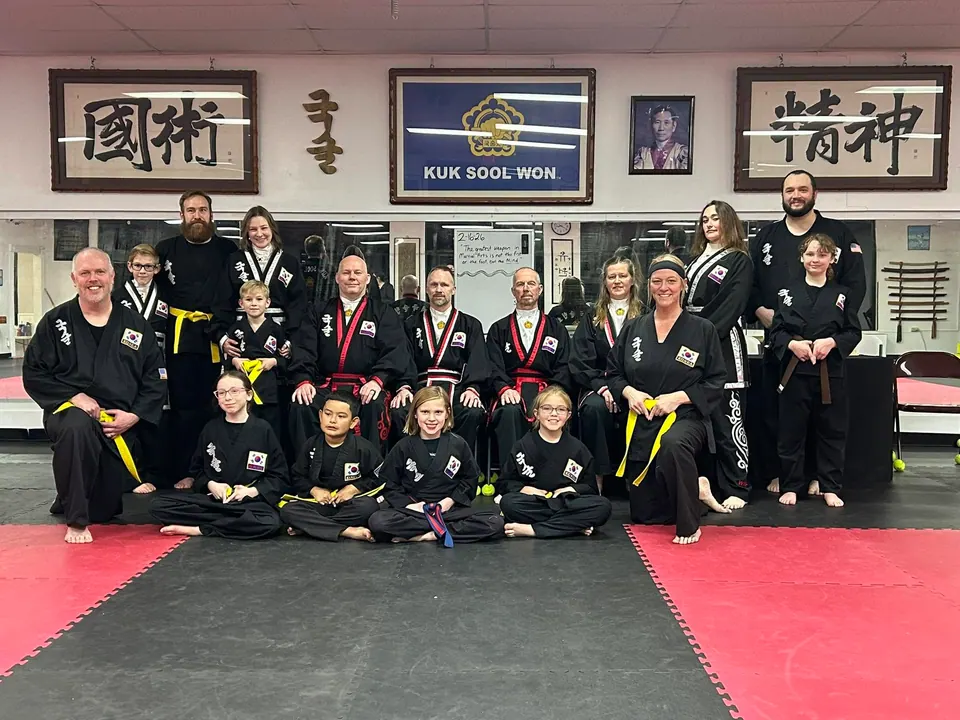
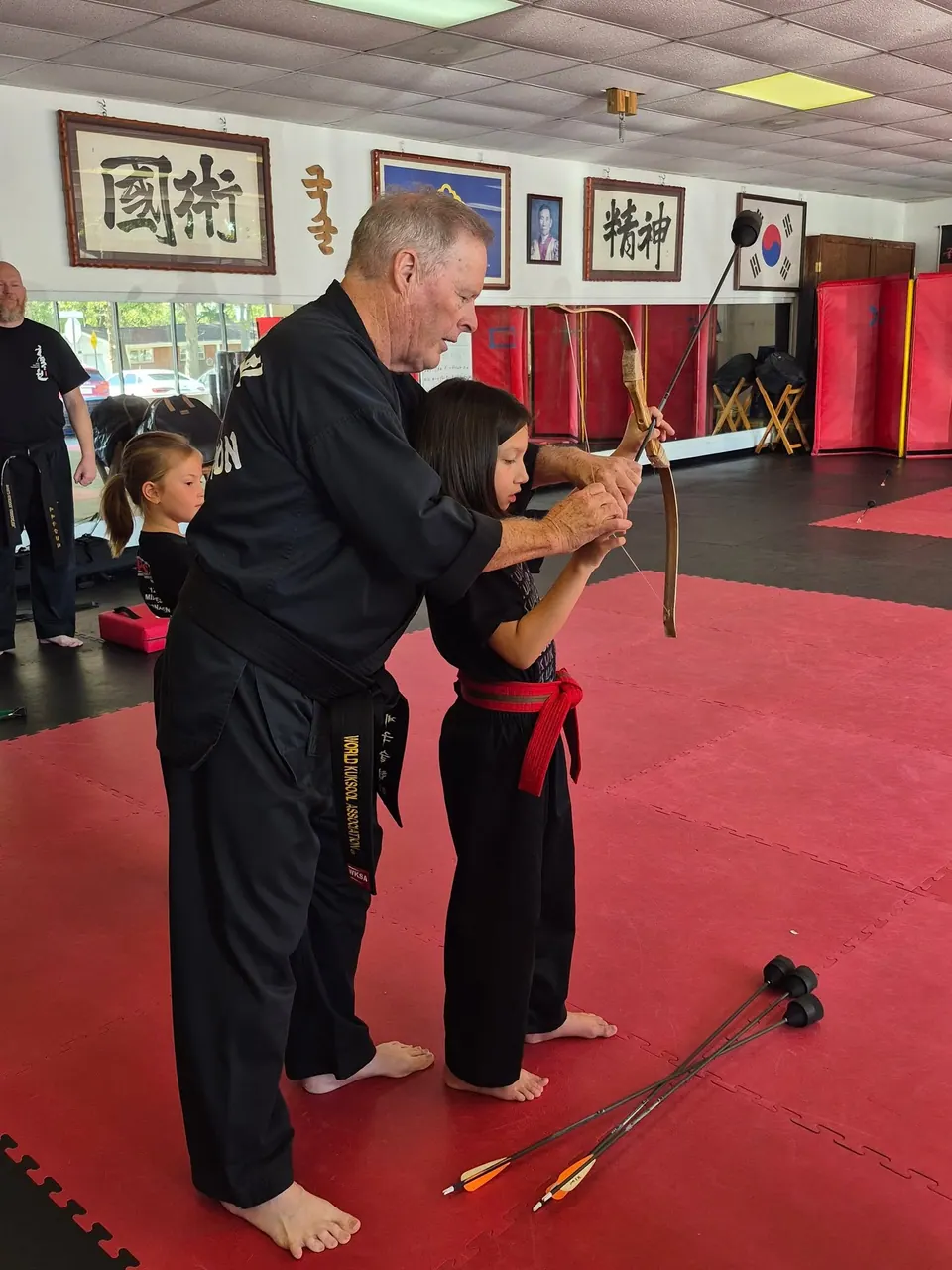
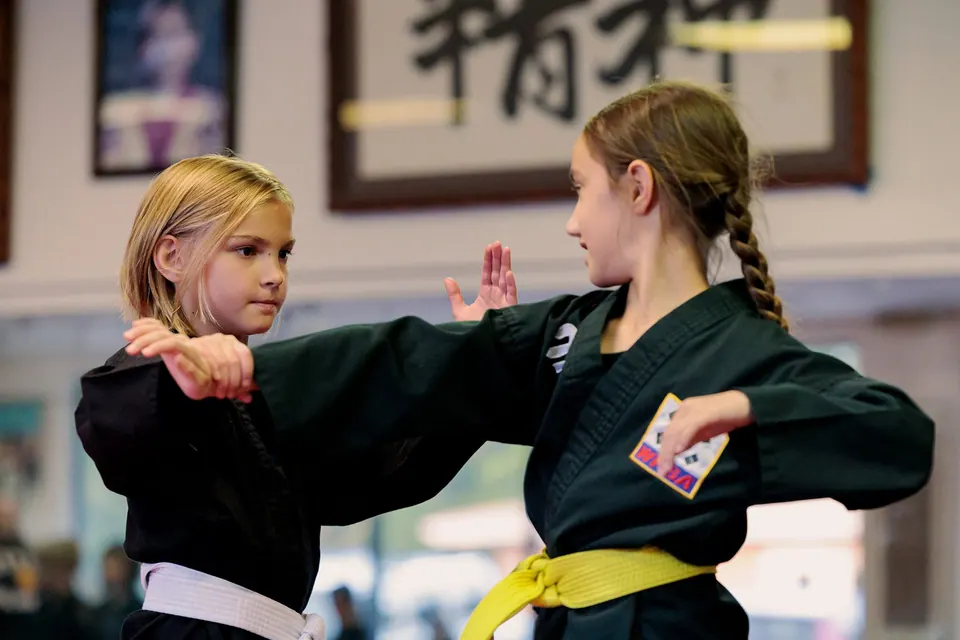
Martial arts training produces this as a direct side effect of the curriculum — not as a separately taught lesson. A child who has practiced stances, strikes, and patterns for months develops a physical bearing that is fundamentally different from a child who hasn't.
Layer 2: Emotional Regulation
Bullies often operate on feedback — they continue when they get a visible emotional reaction. A child who can regulate their emotional response in the moment of provocation ("act as if it doesn't bother me, even if it does") removes one of the primary reinforcers of bullying behavior.
This doesn't mean suppressing feelings — it means developing the capacity to choose how to respond rather than reacting automatically. This is exactly the kind of self-regulation that traditional martial arts training develops.
Layer 3: Verbal Assertiveness
Most bullying escalation can be interrupted with the right verbal response — not an aggressive comeback, but a calm, firm, boundary-setting statement. "Stop. I don't like that." Said clearly, with eye contact, from a stable physical stance, by a child who means it.
We practice this explicitly, because verbal assertiveness without physical grounding often reads as unconvincing, and physical grounding without verbal assertiveness isn't always appropriate to use.
Layer 4: Physical Skills (Last Resort)
Physical self-defense is the last layer — invoked only when all other options have been exhausted and a child's safety is at genuine risk. We teach this explicitly: the martial arts skills you're learning are for protection, not for winning social conflicts.
Children who understand this distinction are far more likely to use physical skills appropriately and far less likely to escalate situations that should have remained verbal.
What Martial Arts Cannot Do
We need to be honest about this: martial arts training does not guarantee that your child will never be bullied. It does not solve systemic bullying in schools that don't address it. It doesn't replace the need for adult intervention when bullying is severe or repeated.
What it does: give your child the internal resources — presence, emotional regulation, verbal assertiveness, and physical confidence — to be a less attractive target, to handle bullying encounters better, and to recover from them faster when they do happen.

This guide is written by instructors who have taught thousands of children and families in St. Peters, MO since 1995. We believe in sharing honest, experienced-based guidance — not marketing copy.